
by Alisha Baldwin
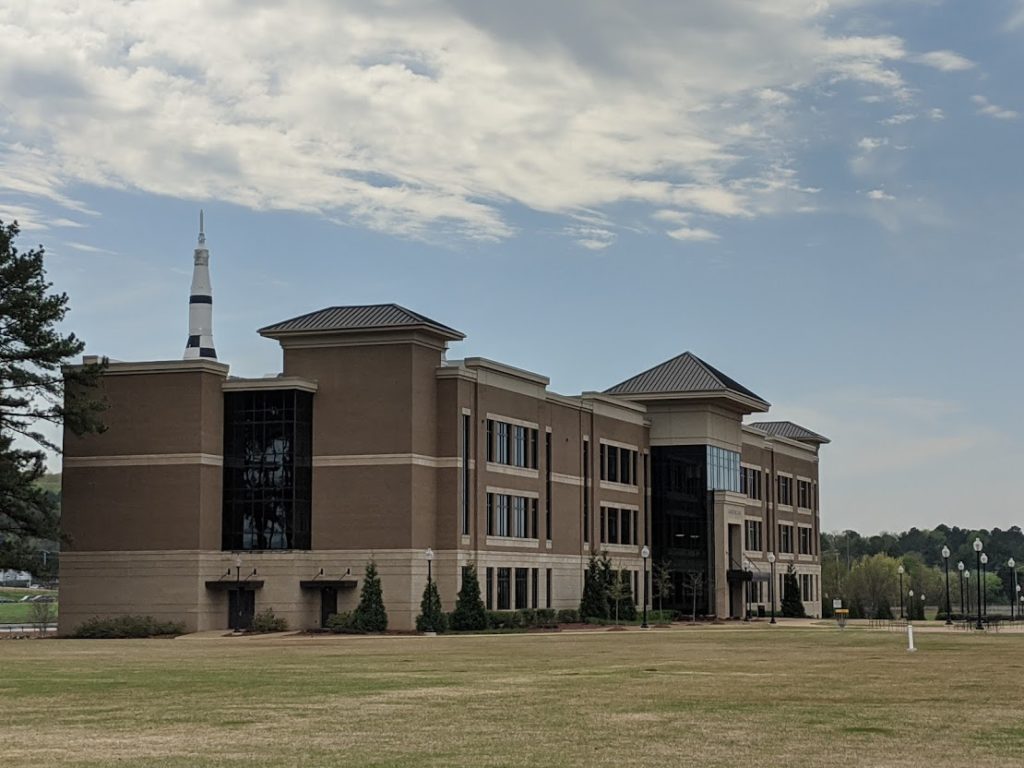
Huntsville, AL – As of March 19, 2020 Alabama had 68 confirmed cases of Covid-19 two of those within our immediate area. I reached out to two professors at Calhoun Community College, Dr. David C. Ansardi Ph.Dd, chair, Department of Natural Sciences, and Mrs. Effie Nicke, Biology instructor to get science oriented look.
For the behavior of Covid-19 within the lungs, Mrs. Nicke summarizes a section titled “What happens when the virus enters the body?” from a scientific article:
“The virus binds goblet (mucus producing) cells and cilia in the lining of the lungs. Cytokines are the chemical messengers that signal immune cells to travel to infection sites, which cause an inflammation response. During this response diapedesis occurs causing capillaries to dilate and allow for immune cells to pass from vessels to infected tissue. The fluid and immune cells could build up on the alveoli of the lungs causing gas exchange issues resulting in trouble breathing.”
On Transmission vectors, the current information is that this virus is transmitted by droplets, with its quick mutations, could this be airborne? Dr. Ansardi states “My understanding is that the Coronavirus family is not typically considered to be airborne. One argument against it being airborne is that passengers who traveled on aircraft with Covid-19 patients didn’t become infected themselves unless they were close to the affected people. Since planes recirculate air, a truly airborne virus would likely infect a lot more people on a plane.”
Concerning Virus mutations, I asked, “What is your view on the quick mutation of Covid-19, how does genome mapping help create treatment?” The answer from Professor Nicke was that “Mutations happen quickly. Epidemiologists are able to analyze the viral sequence of this strain and deduce possible scenarios for mutation. This coronavirus strain (severe acute respiratory syndrome coronavirus 2-SARS-CoV-2) resembles other coronaviruses and those found in bats and pangolins. The two current theories suggest that either the virus started off as infectious in a non-human animal host and then jumped to humans or, it started off as infectious in an animal host and then evolved inside the human host to its current infectious form,” Nicke said.
What about the virus staying on a surface? “I have seen three days being reported and also heard virology experts discussing it a few days ago on a podcast. I believe this is the most updated thinking. It depends on the type of surface. Plastics, for example allow the virus to survive for up to three days. All of this sis still being studied extensively,” Dr. Ansardi s said.
What would you like to tell students to keep them informed? Dr. Ansardi said, “The virus DOES infect younger people. Some young adults have been hospitalized and even placed into intensive care.”
“If you become infected, you absolutely CAN transmit the virus to other people. It is critical for younger people, along with everyone else, to follow all the recommendations about social distancing.”
Mrs. Nicke said, “If you are young and healthy you will survive Covid-19, think about how your actions affect other people. Be kind to one another and be a good example.”
Reference articles
https://www.sciencedaily.com/releases/2020/03/200317175442.htm
https://www.telegraph.co.uk/global-health/science-and-disease/covid-19-do-body-affect-coronavirus/